We take the judging process seriously and so do our judges.
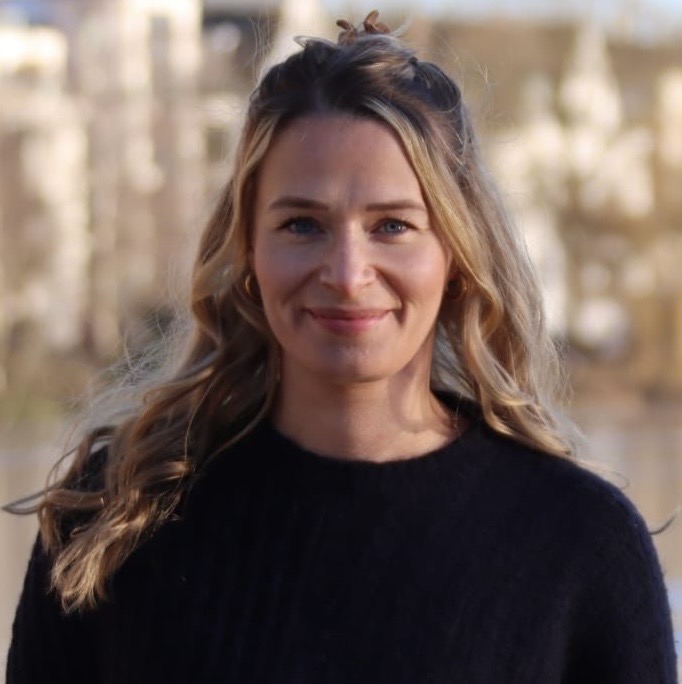
To find out exactly what happens behind the scenes, we asked first-time Search Awards judge Sara Vordermeier to share her experience of the judging process from receiving your entries to deciding on winners.
Who are you, and what’s your background in search/digital marketing?
I’m Sara Vordermeier, and I’ve been working in content and SEO for 8+ years, mostly in B2B but also freelancing for small businesses. I work at Uberall, a location marketing platform, where I own the content and SEO strategy. That’s my bread and butter and I love it, especially because we’re currently exploring a lot with the GEO landscape.
How did you first get involved with Don’t Panic Awards, and what made you say yes to judging?
I was nominated by a kind peer from the Women in Tech SEO community and was pretty excited, so it didn’t take much convincing. I think it’s an honour to be given this opportunity to give teams across Europe feedback on something I’m passionate about. I also know how hard these teams work – especially in the face of constantly being told things like “SEO is dead” – so it means a lot to be judging and giving these teams recognition for that hard work.
It’s also a demonstration that we’re not getting complacent or lazy just because AI is here to “replace us” – search teams are still working hard, WITH their colleagues, WITH creativity, and producing impressive output that drives not just search visibility, but also revenue. I think this is overlooked by many who don’t understand the potential of search marketing.
What were your expectations before judging and how did reality compare?
I’ll be honest – I had few expectations. I’ve never been a judge before. I’ve mentored, been mentored, given and received feedback, but I didn’t know what kind of campaigns I’d be judging or how much feedback to give. I was positively surprised by the level of detail and how thoughtful and creative these campaigns were. The sheer variety of campaign objectives, product USPs, and target industries made it challenging to decide on a clear category winner because so many entries deserved recognition.
The Judging Process
How did you find the judging process?
The judging process was easy to pick up from a logistics perspective (the secure login, scoring sheets and feedback sections were straightforward), but the grading was challenging. I ended up taking notes on all of the entries before being able to agree on a fair grading system. I was expecting greater monotony going through so many entries in the same category, but that was far from what I experienced. From specific channels to KPIs, industries and target markets – I saw just how diverse the role of a search marketer in Europe is, and I loved it.
Were you nervous going into your first panel discussion, and did that change once it got started?
I wasn’t nervous, more intrigued as to who the other judges would be and whether we’d agree on our final category winners. I know that I’m a more content-oriented SEO; my background is in content that performs from an engagement and conversion perspective rather than measuring traffic and rankings. I can be technical, but that’s not my background, and I knew I’d most likely be judging alongside more technical-minded SEOs who would perhaps appreciate different aspects of different campaigns.
How openly did judges debate entries where opinions differed?
The judges in my group did have different opinions on our category winner, but our top three were pretty consistent. Once we established what we liked about the entries versus what we thought was missing, we were able to quickly decide on the winners collectively. It was an open, friendly and collaborative discussion the entire time – and that was the best part of my judging experience.
Fairness, Integrity & Transparency
What safeguards did you notice that protect the integrity of the judging process?
No category winner was decided without the firm agreement of all judges – if we didn’t agree on a certain outcome, we would discuss until we found a result everyone was happy with. We also didn’t just discuss our category winner, but the top two or three, or ones that stood out to individual judges, so there were always multiple top performers in the mix to choose from.
How confident are you that the results reflect genuine merit?
Very confident. The judges in my group are incredibly knowledgeable and we’re all from different backgrounds, so the outcome was fair and balanced, with so many perspectives feeding into our ranking. I was very aware that I was among top search experts, and since we more or less agreed on our top favourites (even if the order was slightly different), the outcome reflected genuine merit.
What would you say to an entrant who wonders whether it’s worth entering – is it a fair competition?
It’s absolutely worth entering if you’re on the fence. Sometimes, in our in-house teams or when we’re freelancing alone, we can become narrow-minded and comfortable with the status quo. Being able to break down your campaign’s purpose, goals and outcome – and articulate why it was a great campaign – flexes the muscles we need to justify our work to executives and clients. We reassure ourselves, at a time when confidence may not be incredibly high, that we do put a lot of consideration and effort into our work. These search awards are a celebration of that – even more so if you win.
And if you don’t win, receiving external feedback from multiple SEOs on your campaign gives you valuable insight into what might work even better next time. From my experience, the relentless pace and extent of SEO work we find on our plates often doesn’t give you the headspace to think of these ideas yourself.
What did you personally take away from the experience?
My imposter syndrome is considerably quieter these days – community and great colleagues have helped largely. But I think it’s natural for every professional to still have flare-ups and doubts. Being nominated and offered the opportunity to judge at the European Search Awards has reminded me that my expertise and ability to give back is valued and appreciated. That’s my personal win – that and ideas on where I can grow my own SEO game, thanks to the entries I judged.
Was there anything about judging you found unexpectedly enjoyable?
I really loved seeing how participating teams positioned their campaigns or products and offering feedback there. I didn’t expect to enjoy so much the act of encouraging people to emphasise more why they are different, why their product is so valuable. Some entries undersold themselves and their achievements, so it was nice to be able to say: “You mentioned this here, but why not expand on it? It’s a great thing!”
What would you say to someone in the industry who’s been asked to judge but is on the fence?
Maybe your workload is a lot right now – maybe you’re stressed and you think judging could add to that. Maybe you feel like an imposter in this industry. I can tell you that this experience has opened up my mind to more ideas; it’s encouraged me that there’s so much more than just slop and snake-oil SEO tactics out there. There are a lot of marketers working tenaciously together to create meaningful, exciting products and campaigns – and it’s for humans, not just AI. It’s for real revenue impact, not just vanity metrics.
Would you do it again, and what would you tell your past self before you started?
I would absolutely judge again if given the opportunity. I’d probably tell myself to take even more time with each entry – there were so many visuals, so many data exports, so many product screenshots, I would have loved to inspect more closely. I just wish I’d had more time to appreciate it all.
If you’d like to become a judge for a Don’t Panic Award, contact the team. We have strict criteria, but if you pass you are in for a rewarding experience.